

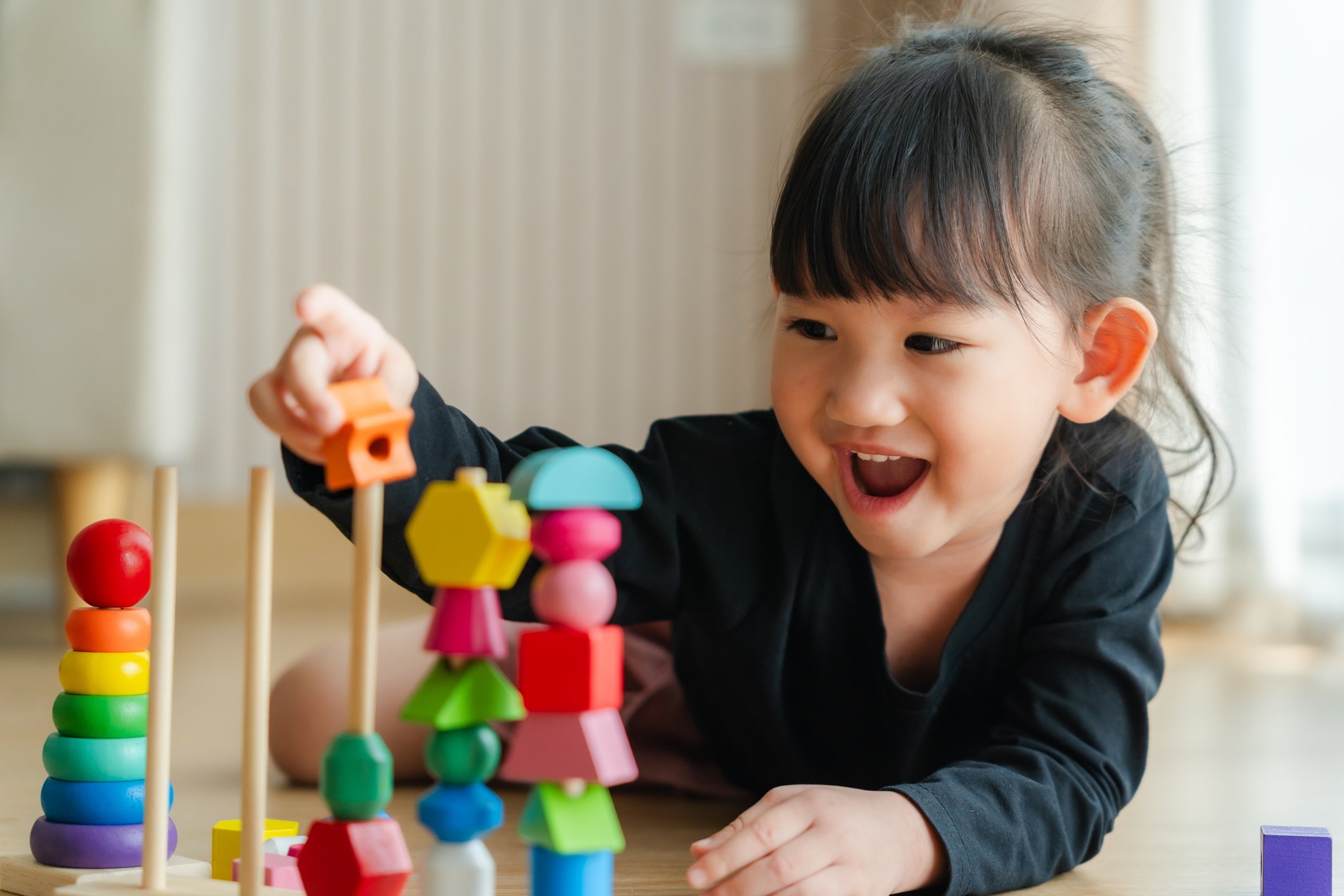
As parents, it’s easy to think of playtime as a way for your child to unwind after a long day at school or as a reward for finishing homework. But at Tender Ones Therapy Services (TOTS), we see play differently. We see it as the most natural and effective way your child learns how to connect, communicate, and interact with others.
Whether your child is struggling to make eye contact, finding it difficult to share toys, or having trouble navigating the unwritten rules of the playground, play-based therapy provides a supportive, low-pressure environment to practice those skills.
Why Pediatric Therapists Use Play-Based Therapy
In the world of pediatric therapy, we often say that “play is the work of the child.” This isn’t just a catchy phrase, it’s a biological reality. When your child engages in play, their brain is in a state of high motivation. They aren’t thinking about learning because they are focused on winning the race, building the tower, or feeding a toy dinosaur.
When your child is having fun, their brain is more flexible and open to new information. You cannot simply explain the nuances of turn-taking to a pre-schooler through a lecture. However, if we practice waiting for a turn during an exciting game of Pop-the-Pig or a shared building project, the lesson becomes a lived experience that sticks.
The TOTS Approach: A Multidisciplinary Playroom
At TOTS, we provide occupational therapy, speech therapy, physical therapy, and aquatic therapy. While each discipline has specific goals, they all play a role in helping your child develop social skills. After all, socializing is a whole-body activity that requires coordination, communication, and emotional balance. Here’s how each discipline lends support:
- Occupational therapy: Helps children feel calm, focused, and comfortable so they are ready to engage with others
- Speech therapy: Supports understanding and expressing ideas during play
- Physical therapy: Builds the strength and coordination needed to join in active play
- Aquatic therapy: Uses a supportive water environment to build physical skills while encouraging one-on-one interaction
Occupational Therapy: Creating the Foundations for Interaction
Before your child can play comfortably with others, they need to feel steady in their body and capable of handling the environment. Our occupational therapists focus on the physical and sensory skills required for successful social play.
- Processing the Environment: Many kids struggle socially because loud noises or an unexpected bump from a peer can feel overwhelming. In our sensory gyms, we use calming, movement-based play, such as swinging and guided climbing activities, to help your child feel settled and better able to focus. When your child can process their surroundings comfortably, they are better able to notice and engage with a friend.
- Developing Focus and Self-Control: Socializing requires significant mental effort, such as remembering the rules of a game, planning a next move or stopping oneself from grabbing a toy. We use rule-based games to help your child practice focus and self-control skills that support successful play and interaction with others, all in a way that feels like a fun mission rather than a chore.
Speech Therapy: Establishing the Bridge of Communication
Communication is the heartbeat of social interaction. If your child is a late talker, meaning they understand what is being said but use fewer words than expected for their age, play is the bridge to expression.
- Working Together: When your child and their therapist are focused on the same activity, words and gestures become meaningful because they are connected to what your child is doing. For example, while building a tower together, simple words like “up,” “more,” or “all done” naturally match the play as it unfolds. This supports understanding, connection, and early communication in a way that feels natural.
- Following Your Child’s Interests: Your child learns language best when it connects to something they actually care about. If your child loves dinosaurs, we lean into that interest and encourage them to talk about dinosaurs.
Physical & Aquatic Therapy: Strengthening the Body and Confidence
It might seem surprising, but physical strength and coordination are deeply tied to social confidence. Our physical therapists help your child build the strength, balance, and coordination needed to join in and keep up during active play with others.
- Improving Playground Skills: If your child feels unsteady or struggles with coordination, they may shy away from group games like tag or kickball. By using fun, play-based exercises to improve strength, our physical therapists give your child the confidence to join in on the playground.
- Splashing into Socializing: During aquatic therapy, the water provides natural support and gentle resistance, which helps improve balance, strength, and body control in a comfortable play environment. In the pool, your child practices eye contact and simple back-and-forth interaction with their therapist while working on physical goals in a setting that feels enjoyable and engaging.
The Benefits of Therapeutic Group Play
While one-on-one sessions build a strong foundation, practicing social skills with peers is an important next step. In our TOTS social skills camps and groups, your child engages with other children in a supportive group setting to practice skills such as:
- Compromising when they want the same blue crayon or swing as a friend
- Showing empathy when a peer is tired or sad
- Cooperating with others to work toward a shared goal, such as building a fort or completing a scavenger hunt
How Play Evolves as Your Child Grows
As your child develops new skills, play-based therapy evolves alongside them. Early sessions may focus on simple interactions, such as shared attention or brief turn-taking. Over time, therapists gradually increase expectations by introducing more complex games, longer interactions, or additional social rules. We carefully observe how your child responds and adjust activities to maintain motivation without overwhelming them.
When to Reach Out for Extra Support
If you are curious about how play-based therapy can help your child’s development and you are in the Dacula, Gainesville, or Brookhaven, GA, areas, reach out to Tender Ones Therapy Services at (770) 904-6009 or fill out our online contact form to schedule an evaluation. We look forward to giving your child the tools to connect with the world in a way that feels authentic and joyful.