

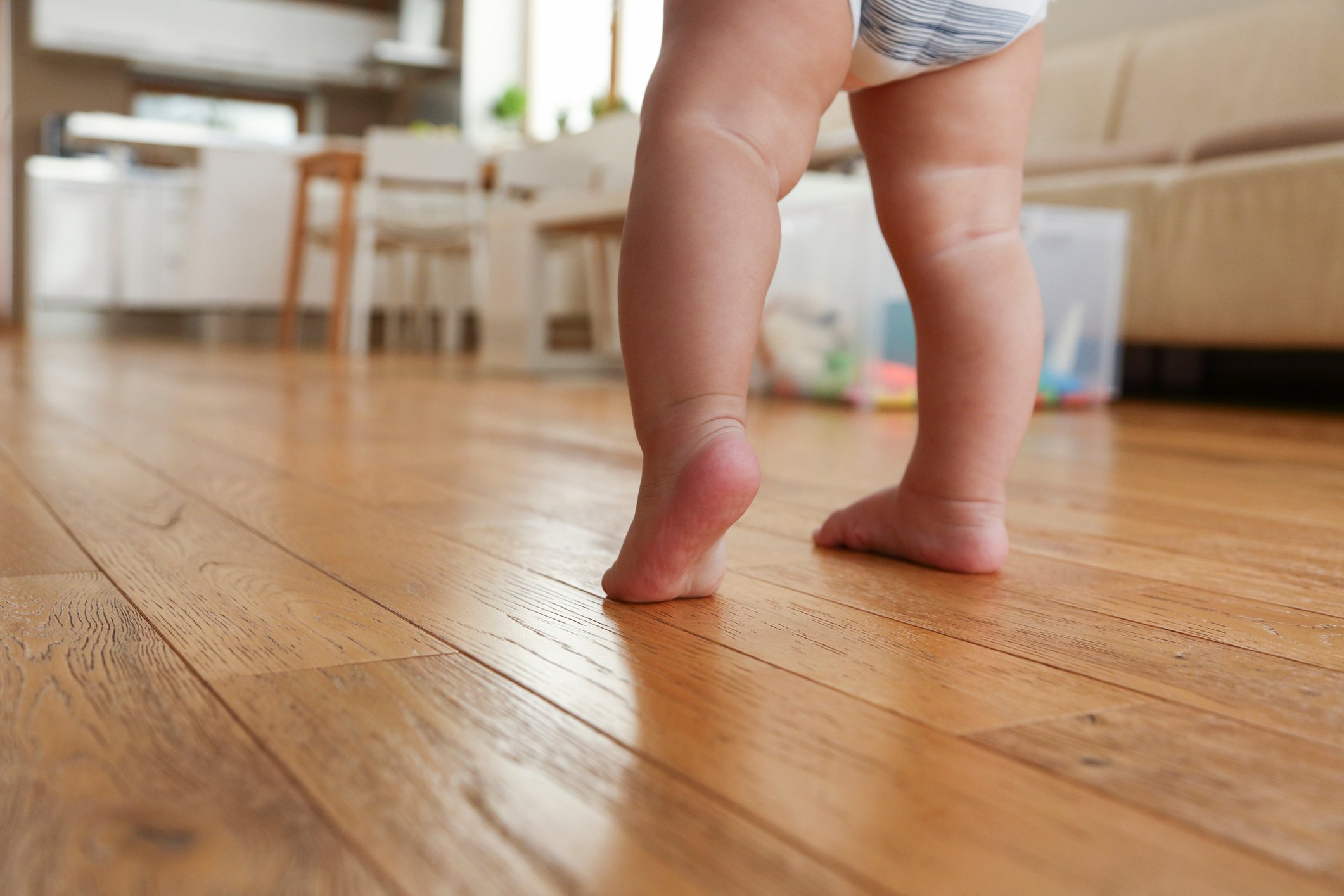
Have you noticed that your young child walks on their toes? Toe-walking is fairly common as children are first learning to walk, and most children eventually grow out of it.
However, if your child continues to toe-walk as they get older, they may need extra support learning how to walk in a natural, heel-to-toe walking pattern. Pediatric physical therapy can help your child learn to walk with their feet firmly on the ground, while improving balance, comfort, and confidence.
What Is Toe-Walking?
Toe-walking is when the balls of your child’s feet and toes touch the ground, but their heels do not. Instead of using a typical heel-to-toe walking pattern, your child may stay up on their toes while walking, running, or even standing.
Toe-walking is often seen in toddlers who are just learning to walk. At this stage, children are still figuring out how to balance, shift weight, and move their feet smoothly, so it’s normal for their walking patterns to look uneven at first.
However, if your child continues toe-walking beyond age 2, they may need extra support developing a more natural way of walking.
Common Causes of Toe-Walking
Toe-walking can happen for different reasons, and an evaluation with a pediatric physical therapist can help identify the exact cause.
Common reasons your child may be walking on their toes include:
- Physical factors: Tight calf muscles or short tendons can make it harder for your child to bring their heels down comfortably.
- Sensory factors: Toe-walking can help your child avoid textures or surfaces they want to avoid, like cold floors or carpets.
- Neurological factors: Certain differences in the brain or nervous system that affect coordination or muscle tone, such as autism or cerebral palsy, can cause toe-walking.
- Developmental factors: Delays in developing strength, balance, or motor skills can make it harder for your child to keep their heels down when they walk.
- Habit or behavioral factors: Once your child gets used to walking on their toes, it can become their “normal” way of walking.
How Toe-Walking Affects Your Child Over Time
If toe-walking continues beyond age 2, it can start to impact your child’s comfort and confidence during everyday movement. Over time, your child may have more trouble keeping up with peers during active play, and they may feel less steady when running, climbing, or trying new physical skills.
Some common effects of ongoing toe-walking may include:
- Tightness in the Achilles tendon or calf muscles
- Balance and coordination challenges
- Muscle imbalances, such as overuse in the calves and weakness in other lower-body muscles
- Discomfort in the feet, ankles, knees, hips, or legs as your child grows
- Posture changes over time
- Difficulty wearing certain shoes, or uneven wear on footwear
How Pediatric Physical Therapy Helps with Toe-Walking
First, a physical therapist will evaluate your child to determine the underlying reason behind their toe-walking. From there, your child’s therapist will create a plan based on their needs and goals. Every child is unique, but therapy for toe-walking usually includes the following:
Stretching and flexibility
When your child’s calf muscles or Achilles tendon are tight, physical therapy can include gentle stretches and movement-based activities that help improve flexibility and make heel contact feel more natural.
Strength-building
Physical therapy can help strengthen the muscles that support stable walking, including the muscles in the front of the lower leg, as well as the hips and core. Building strength in these areas can help your child feel more grounded and steady on their feet.
Heel-to-toe walking practice
Some children need help learning the heel-to-toe sequence and practicing it consistently. Therapists may use simple cues, hands-on guidance, and visual tools like floor markers or stepping-stone games to encourage smoother walking patterns.
Balance and coordination
Balance activities help your child feel more stable during movement and reduce the risk of tripping and falling. Physical therapy may include playful exercises that challenge your child’s coordination while building control and confidence.
Sensory-based strategies
If sensory preferences play a role in toe walking, therapy may include sensory-friendly activities that help your child feel more comfortable placing their full foot on the ground across different surfaces.
What a Physical Therapy Session May Look Like
Physical therapy sessions are usually active, playful, and designed to help your child practice heel-to-toe walking in a way that feels fun and natural. Depending on your child’s goals, a session may include activities like:
- Practicing heel walking with toes lifted to strengthen the front of the lower legs
- Crawling and walking games to build strength and stretch the calves and ankles
- Jumping from a deep squat with heels down to build leg and core strength and encourage full-foot landings
- Playing sideways- and backward-movement games to challenge coordination and body control
- Walking up a ramp or gentle incline to stretch the calves and encourage a flatter foot position
- Squatting while keeping feet flat to pick up toys from the floor to strengthen the hips and legs
- Stretching the calves by standing with the front of the foot on a step and gently lowering the heels
- Walking across different textures and surfaces to help your child feel more comfortable putting their whole foot down
- Practicing balance by standing on one foot during games to improve ankle stability and control
- Moving through obstacle courses using pillows, cushions, or “stepping stones” to build balance and encourage heel-first steps
As your child practices these skills over time, they will begin to walk with their heels down more consistently and feel more steady and confident during everyday activities.
Reach Out to Tender Ones for Help
If your child is toe-walking and you live in the Dacula, Gainesville, or Atlanta, GA, area, Tender Ones Therapy Services can help. Call us at (770) 904-6009 or fill out our online contact form to schedule an evaluation with a pediatric physical therapist. We look forward to helping your child move comfortably and grow confidently with their feet firmly on the ground.