

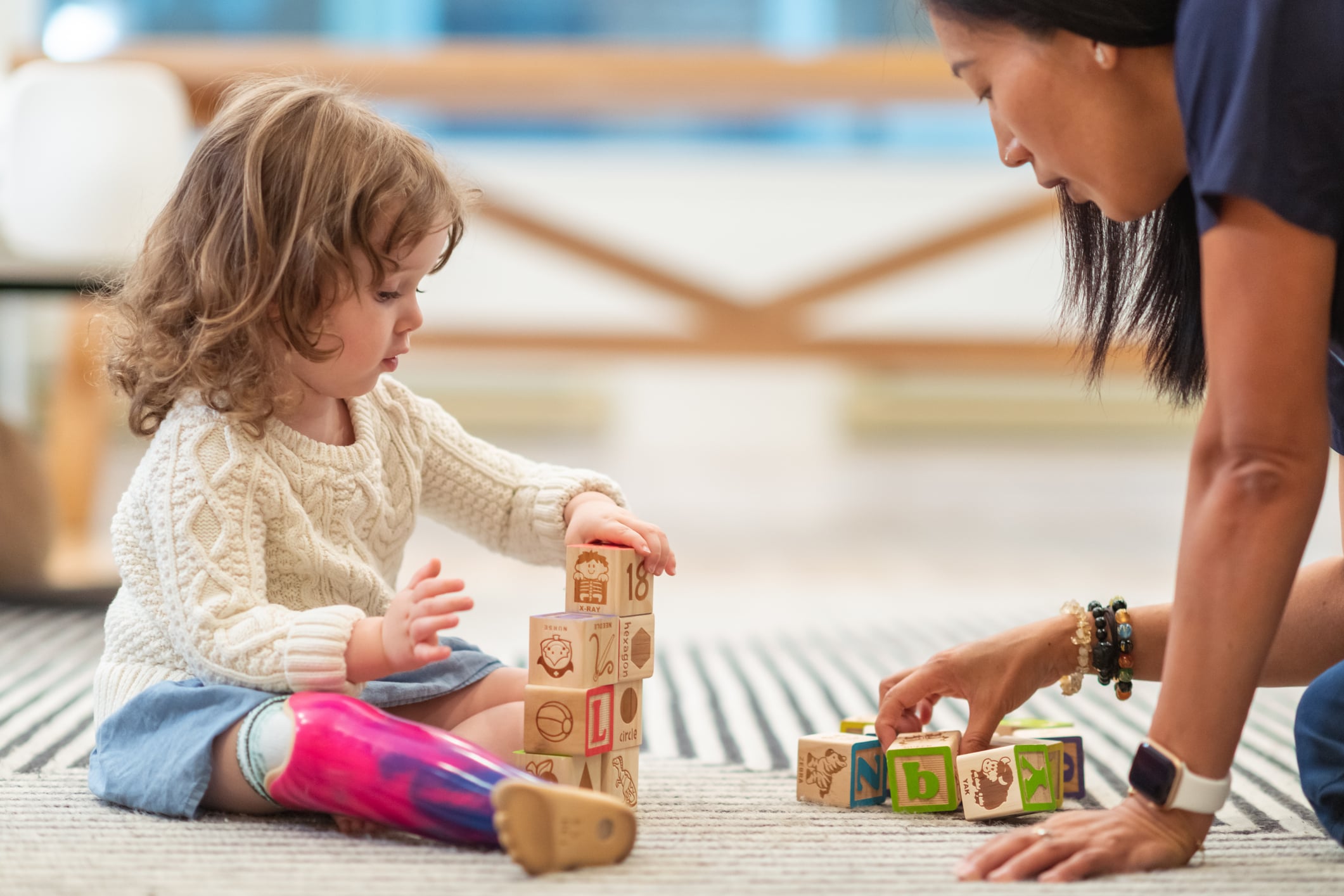
Starting kindergarten is a big milestone for your child! As you prepare for that first day of school, you may wonder whether your child has all the skills they need to feel comfortable, confident, and ready to learn.
Kindergarten readiness is about much more than knowing letters, numbers, and colors. Your child will use communication, thinking, movement, fine motor, and even feeding skills throughout their school day. While every child develops at their own pace, building skills across these different areas can help make the transition to kindergarten easier.
Here are five important skills you can help your child practice before they head to school.
1. Communicating Their Needs and Following Directions
In kindergarten, your child will need to communicate with teachers and classmates throughout the day. They may need to ask for help, tell someone what they need, answer questions, participate in conversations, and understand directions during classroom activities.
Your child doesn’t need perfect speech or an enormous vocabulary to communicate successfully. The goal is for them to have a reliable way to express their wants, needs, thoughts, and feelings while understanding the language they hear.
You can help strengthen communication skills at home by having conversations during everyday routines, reading books together, asking open-ended questions, and giving your child opportunities to tell you about their day.
2. Paying Attention and Working Through Simple Problems
Kindergarten introduces your child to new routines, activities, and challenges. For example, your child may need to remember where their backpack belongs, follow the steps of a classroom routine, complete a simple puzzle, sort objects into groups, or stay engaged during a story or activity.
You can encourage these skills through everyday play. Puzzles, matching games, building blocks, scavenger hunts, pretend play, and simple board games all give your child opportunities to think, remember, plan, and solve problems.
Rather than focusing on always getting the “right” answer, encourage your child to keep trying and explore different ways to solve a problem.
3. Using Their Hands for Classroom Activities
Think about how much your child will use their hands during a typical school day. They may draw, color, turn pages, open containers, use glue, build with small objects, manipulate classroom materials, and begin practicing writing skills.
Fine motor skills help your child control the small muscles in their hands and fingers needed for these activities. Before kindergarten, you can give your child plenty of opportunities to strengthen their hands through play. Try activities like:
- Coloring and drawing
- Playing with modeling dough
- Building with small blocks
- Stringing beads
- Completing puzzles
- Using child-safe scissors
- Picking up small objects with tongs
4. Moving Safely and Confidently
Kindergarten involves plenty of movement! Your child may need to walk through busy hallways, sit and stand from the floor, climb stairs, carry their backpack, navigate playground equipment, and participate in physical education.
Gross motor skills give your child the strength, balance, and coordination needed to move safely and confidently through these activities.
Running, jumping, climbing, kicking and throwing balls, riding a bike or scooter, and playing on the playground are all fun ways to build gross motor skills before school begins.
5. Managing Snacks and Mealtimes More Independently
Feeding may not be the first thing that comes to mind when you think about kindergarten readiness, but eating is an important part of the school day.
Your child may need to sit with classmates during lunch or snack time, eat within a limited amount of time, drink independently, and manage different foods in a busy environment.
Before school starts, look for fun ways to help your child practice participating more independently during meals and snacks. You might have a “lunchbox picnic” at home, let your child choose between different snacks, practice opening containers, or have them practice using utensils to feed their stuffed animals or dolls.
Helping Your Child Get Ready for Kindergarten
There is no single checklist that determines whether your child is “ready” for kindergarten. Children enter school with different strengths, personalities, experiences, and developmental skills. What matters is helping your child build the foundational skills they need to participate, learn, communicate, and become increasingly independent.
At Tender Ones Therapy Services, our pediatric speech, occupational, physical, and feeding therapists can help your child strengthen skills across all areas of development. If you have questions about your child’s kindergarten readiness or wonder whether they could benefit from additional support, contact our team today at (770) 904-6009 to schedule an evaluation.