

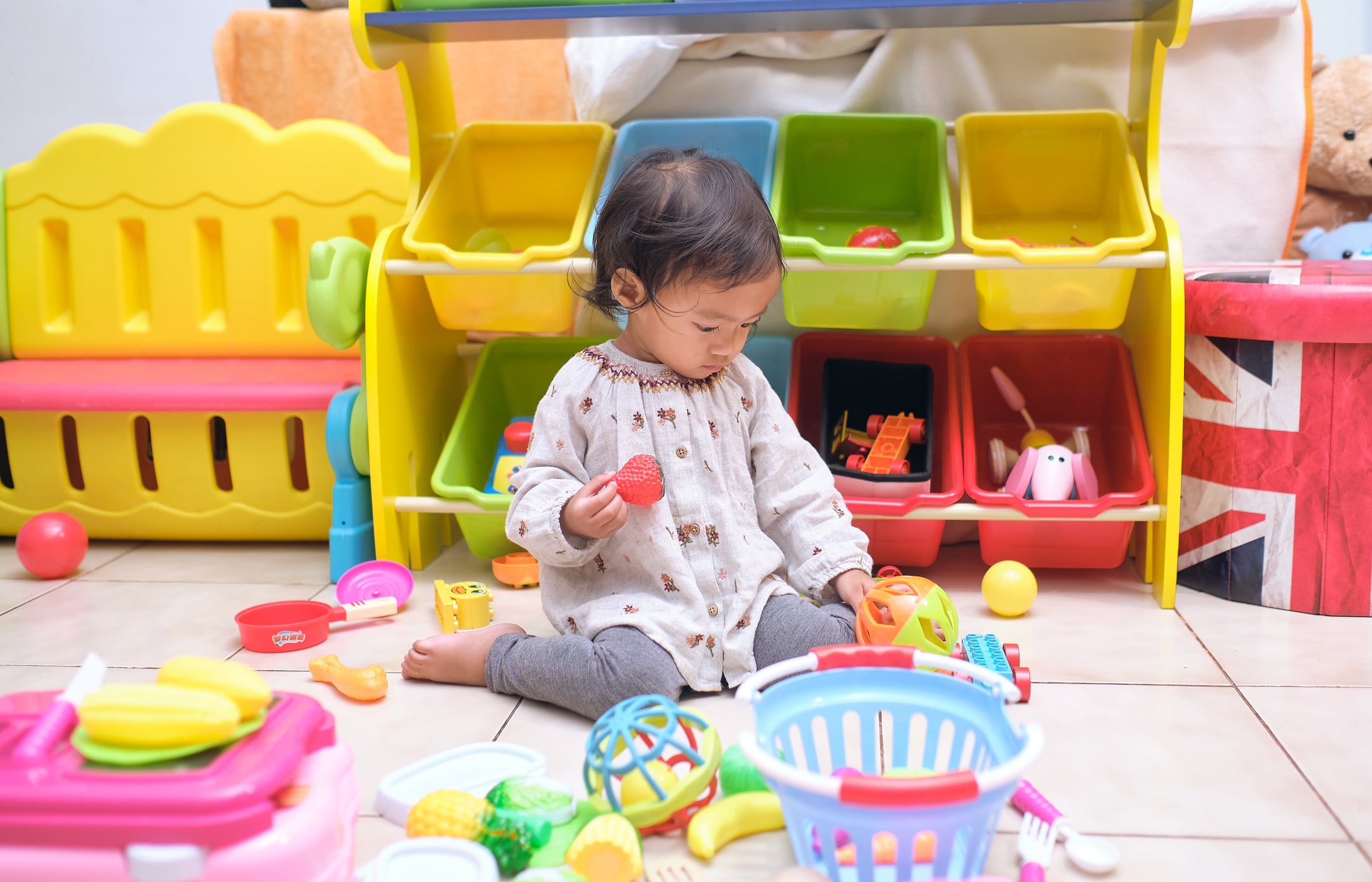
Have you noticed that your child frequently sits in a “W” position while playing on the floor? Many parents wonder whether W-sitting is simply a comfortable position for young children or something they should be concerned about.
The good news is that occasional W-sitting is common and is not usually a problem on its own. However, when a child relies on W-sitting most of the time or has difficulty using other sitting positions, it may be worth taking a closer look.
In this blog, we’ll explain why children W-sit, when it may be a concern, and how you can encourage healthy movement at home.
What Is W-Sitting?
If you’ve ever seen your child sitting on the floor with their knees bent in front of them and their feet stretched out to either side behind them, you’ve probably seen W-sitting. When viewed from above, your child’s legs form a “W” shape around their body.
W-sitting is common among young children, especially during floor play. Seeing your child sit this way occasionally does not necessarily mean something is wrong. However, if W-sitting becomes your child’s preferred sitting position or you notice other difficulties with movement, balance, or coordination, it may be worth taking a closer look.
Why Do Children W-Sit?
Children may choose to W-sit simply because the position feels comfortable and stable. W-sitting creates a wide base of support, which can make it easier for a child to sit upright without working as hard to maintain their balance.
For some children, that extra stability can be especially appealing if they are still developing strength and control through their core and hips. Instead of using those muscles to keep their body steady, W-sitting allows them to focus more easily on the toy, game, or activity in front of them.
Occasional W-sitting can be a normal part of how young children move between different positions during play. The bigger question is whether your child uses a variety of sitting positions or relies heavily on W-sitting.
When Should Parents Be Concerned About W-Sitting?
W-sitting may be worth discussing with a pediatric physical or occupational therapist when your child sits this way frequently and seems reluctant or unable to use other positions comfortably. You may also want to pay attention if frequent W-sitting occurs alongside other concerns, such as:
- Difficulty maintaining balance while sitting or standing
- Frequent tripping or falling
- Difficulty with coordination
- Weakness through the core or lower body
- Difficulty changing positions during floor play
- Delays in gross motor skills
- An unusual walking pattern
- Complaints of pain or discomfort
- A strong preference for using one side of the body
Why Does Sitting Position Matter?
Children develop strength, balance, coordination, and body awareness through movement and play. Using different sitting positions encourages the body to work in different ways.
For example, sitting cross-legged, side-sitting, or sitting with the legs extended in front of the body may require your child to use their core muscles to maintain balance. These positions can also encourage children to rotate their trunk and reach across their body while playing.
If a child relies primarily on W-sitting, they may have fewer opportunities to practice these movements during floor play. Encouraging a variety of positions helps children strengthen different muscles and develop greater control over their bodies.
How Can You Encourage Different Sitting Positions at Home?
If your child frequently W-sits, you don’t need to constantly correct them or make sitting feel stressful. Instead, gently encourage other comfortable positions throughout the day.
Try inviting your child to:
- Sit cross-legged or “crisscross”
- Sit with both legs straight in front
- Sit with both legs bent to one side (side-sitting)
- Kneel or half-kneel during play
- Sit on a small stool or chair for certain activities
You can also place toys slightly to your child’s side during floor play to encourage reaching, turning, and shifting their weight.
If you notice your child W-sitting, a simple reminder like, “Let’s move your legs,” can encourage them to try another position without making them feel as though they are doing something wrong.
Most importantly, look for variety. Children naturally move through many different positions while playing, and the goal is not necessarily to eliminate W-sitting completely.
When to Reach Out for Support
Occasional W-sitting is common and is not usually a reason to worry on its own. However, if your child almost always W-sits, struggles to sit comfortably in other positions, or you have concerns about their balance, strength, coordination, or motor development, it may be helpful to ask a professional.
At Tender Ones Therapy Services, our pediatric therapists can evaluate your child’s movement and development to better understand what may be contributing to their sitting habits. Contact our team today to schedule an evaluation and learn how we can help your child build the strength, confidence, and skills they need for everyday movement.