

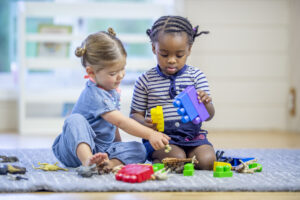
Many parents worry when their child seems to have difficulty making friends or connecting with other children. You may notice your child prefers to play alone, struggles to join group activities, or has trouble keeping conversations going with peers. Sometimes children want to connect with others but are unsure how to start interactions or respond during social situations.
Social skills are an important part of childhood development, but they do not always come naturally to every child. The good news is that social skills can be learned, practiced, and strengthened with support.
Social Skills Are Important for Making Friends
Social skills help children build relationships, communicate with others, and participate more comfortably in everyday activities. These skills affect many parts of daily life, including working with classmates, participating in group activities, and expressing thoughts and feelings appropriately.
Making friends in particular involves much more than simply talking to other children. Social interaction requires children to do several things all at the same time:
- Understand social cues to know how others are feeling
- Manage their emotions (like disappointment or anger)
- Pay attention and remember things
- Respond appropriately
- Take turns in back-and-forth conversations
For some children, it can feel overwhelming or difficult to manage those things during real-life interactions. When social situations feel confusing or stressful, children may avoid interactions altogether or respond in ways that make it harder to connect with peers.
Signs Your Child May Be Struggling with Social Skills
Your child may need extra support with their social development if you notice that they:
- Have difficulty starting conversations with other children
- Interrupt frequently or talk over others
- Struggle to take turns during games or conversations
- Have difficulty understanding jokes, tone of voice, or facial expressions
- Become upset easily during group play
- Prefer to play alone most of the time
- Have trouble maintaining friendships
- Avoid eye contact or social interaction
- Struggle to adapt when play does not go as expected
Social Skills Include Understanding Social Cues and Conversation Rules
Many social interactions follow unspoken “rules” that children are expected to learn over time. These rules help conversations and relationships feel balanced and comfortable. For example, children are often expected to:
- Take turns speaking and listening
- Notice when someone else wants to talk
- Read facial expressions and body language
- Stay on topic during conversations
- Respect personal space
- Understand tone of voice
- Recognize how their actions affect others
Some children learn these skills naturally through observation and experience. Others benefit from direct teaching, repetition, and guided practice to better understand what is happening during social interactions.
How Occupational Therapy Can Help Your Child Build Social Skills
Occupational therapy can help children develop the foundational skills needed for successful social interactions. Rather than focusing only on conversation itself, our occupational therapists look at the many underlying skills that affect how your child connects with others.
Therapy sessions may help your child:
- Practice turn-taking and cooperative play
- Learn how to recognize emotions in themselves and others
- Improve emotional regulation during frustrating situations
- Build attention and listening skills
- Develop flexibility during group activities
- Understand personal space and social boundaries
- Increase confidence in social settings
Our occupational therapists often use games, role-playing activities, group exercises, and structured play to help children practice social skills in a supportive environment. These activities allow children to build confidence while learning how to navigate everyday situations more comfortably.
5 Simple Ways to Support Social Skills at Home
Social development takes time, and children often learn best through supportive experiences with trusted adults. Small, consistent opportunities for practice can help your child feel more comfortable interacting with others. Here are some helpful ways you can support your child’s growing social skills at home:
- Practice conversations during everyday activities: Simple back-and-forth conversations during meals, car rides, or playtime can help your child practice listening, responding, and staying engaged in conversations.
- Play pretend or use role play: Pretending to introduce yourself, join a game, or ask a friend to play can help your child feel more prepared for real social situations.
- Talk about feelings and facial expressions: Books, shows, and everyday situations create opportunities to talk about emotions, body language, and how others may be feeling.
- Keep social opportunities low pressure: Some children feel overwhelmed in large groups. Starting with shorter playdates or one-on-one interactions can help your child build confidence gradually.
- Celebrate small successes: Social progress often happens in small steps. Noticing and encouraging positive interactions can help your child feel more confident and motivated.
When to Reach Out for Extra Support
If your child consistently struggles with friendships, conversations, or social interactions, extra support can make a meaningful difference. Early intervention can help children build confidence, strengthen communication skills, and feel more comfortable connecting with others.
At Tender Ones Therapy Services, our pediatric occupational therapists help children develop the social, emotional, and communication skills they need to thrive at home, in school, and in everyday life. If you are concerned about your child’s social development, contact our team today to schedule an evaluation and learn how we can support your child’s growth.
Occupational Therapy Safari Camp: Building Social, Fine Motor, and Play Skills
For families looking for additional opportunities to help children strengthen their social and developmental skills, Tender Ones Therapy Services also offers its Occupational Therapy Safari Camp. This one-week camp, led by our occupational therapists, is designed to support the development of play skills, social interaction, fine motor abilities, and gross motor coordination through engaging, hands-on activities.
The camp will be held July 6–10, Monday through Friday from 9:00 a.m. to 12:00 p.m., at 1854 Auburn Rd., Dacula, GA, and is ideal for children ages 4–14. By providing structured opportunities to practice communication, cooperation, problem-solving, and peer interaction in a fun and supportive environment, the camp helps reinforce many of the same skills that contribute to success at home, in school, and in everyday social situations.
Ready to help your child build confidence, friendships, and important developmental skills this summer? Learn more about Occupational Therapy Safari Camp and reserve your child’s spot by clicking here.